
Toner pads vs toner—which one belongs in your skincare routine? Toner pads offer a pre-soaked, ready-to-use format, while liquid toner lets you control the amount and apply it with your hands or a separate cotton pad. Either format can provide hydration or deliver other skincare ingredients, depending on the formula. If you have been browsing Korean skincare in Canada, you have probably seen toner pads vs toner both options sitting beside each other. One comes in a jar filled with pads. The other comes in a bottle, sometimes with a watery texture and sometimes with a milky finish. It is easy to assume that toner pads are stronger, that liquid toner is always gentler, or that you need toner pads vs toner both for a complete routine. However, those assumptions overlook the most important part: what is actually inside the product. This guide explains the differences, how to choose for your skin type, and where each option fits into a practical Korean skincare routine. Toner Pads vs. Toner: The Quick Comparison If you want a quick starting point, choose toner pads for the convenience of a pre-soaked format and liquid toner for flexible dosing and the option to apply without wiping. Neither format is automatically better. Compare the formula, application method, and instructions before deciding. What to compare Toner pads Liquid toner Packaging Pads soaked in formula inside a container Formula supplied in a bottle Application Swipe gently or place on skin when directed Press on with clean hands or use a separate pad Amount Depends on how much formula each pad holds Adjust the amount you pour Texture Depends on the liquid and pad material Can be watery, viscous, or milky Exfoliation Some formulas exfoliate; others focus on hydration Some formulas exfoliate; others focus on hydration Skin contact Pad touches the skin during application Hands can apply the formula without a wiping motion Targeted use Some products allow brief placement on selected areas Usually applied across the desired area Disposable materials A used pad is discarded after application Hand application does not require a disposable pad Main buying consideration Formula, pad texture, and usage directions Formula, texture, and dispensing method The key question is not simply “Which format is more popular?” It is “Which formula and application method fit my skin and my existing routine?” What Are Toner Pads? Toner pads are pieces of fabric supplied pre-soaked in a skincare formula. They are commonly used after cleansing, although you should follow the instructions on the specific product. Some pads are round, while others are square or shaped to sit on the cheeks. Some have a textured surface, and others feel smooth. The formula may focus on hydration, exfoliation, or another cosmetic concern. This is why the words “toner pad” alone do not tell you everything you need to know. Hydrating Toner Pads Hydrating toner pads are designed primarily to add moisture to the skin’s surface. They may appeal to people who enjoy a ready-to-use step or a brief targeted application. However, a hydrating product is not automatically suitable for every person with dry or sensitive skin. Check the full ingredient list and how your skin responds. Exfoliating Toner Pads Exfoliating pads may contain ingredients such as AHAs, BHAs, or PHAs. A textured pad can also add friction during application. For example, Anua’s official description of its Heartleaf 77 Clear Pad identifies PHA in the formula and describes different uses for its embossed and smooth sides. This illustrates why checking the individual product matters. Anua’s official product details Do not assume every Korean toner pad exfoliates or that every exfoliating pad should be used at the same frequency. Pads Used as a Targeted Treatment Some toner pads can be placed on selected areas for a short period, following their directions. That does not mean every pad can be used this way. Avoid turning an exfoliating pad into a prolonged treatment unless the manufacturer explicitly instructs you to do so. What Is Liquid Toner? Liquid toner is a skincare formula supplied in a bottle. Depending on the product directions, you can apply it with clean hands or a separate cotton pad. The texture can range from almost water-like to noticeably milky or slightly thicker. A liquid toner may be designed to hydrate, exfoliate, or deliver other cosmetic ingredients. Just as with pads, you need to read beyond the product category. Watery Toners Watery toners may appeal to people who prefer a light-feeling application. They can be easy to spread, although the formula determines how they feel once applied. A clear, watery appearance does not prove that a product is mild, fragrance-free, or suitable for sensitive skin. Milky Toners Milky toners have an opaque appearance and may feel different from a watery formula. Some people enjoy this texture when they want a more cushioned application. However, “milky” does not automatically mean heavy, and it does not mean the toner replaces moisturizer. Exfoliating Liquid Toners A bottled toner can also contain exfoliating ingredients. Choosing a liquid format does not remove the need to consider frequency, other active products, or irritation. A useful rule is to compare the purpose of the formula before comparing the packaging. Does the Formula Matter More Than the Format? Yes—the formula is usually a more useful starting point than whether the product comes in a jar or bottle. Two toner pads can have very different purposes. Two liquid toners can also feel and perform differently. When comparing toner pads and liquid toner, review these four things. 1. The Main Purpose Is the product intended mainly for hydration, exfoliation, or another cosmetic concern? If you want a comfortable hydration step, an exfoliating product may not be the most direct answer, regardless of its packaging. 2. The Ingredient List Look at the complete formula rather than choosing based on one highlighted ingredient. A familiar ingredient on the front label does not tell you how the whole product will feel on your skin. Consider ingredients you already know you tolerate and
Author Archives: Koreanshop Team
If your oily skin feels dry in winter, cold air and indoor heating may be contributing to that tight, uncomfortable feeling. If your face looks shiny by lunchtime but feels tight, rough, or flaky after washing, winter may be changing how your skin feels. Oily skin can still become dehydrated. Cold outdoor air, low humidity, and indoor heating can all contribute to dryness during a Canadian winter. The Canadian Dermatology Association lists cold weather and heated, dry indoor air among common causes of dry skin. Canadian Dermatology Association: Dry Skin The answer usually isn’t to add a long routine or scrub away every dry patch. Start with a comfortable cleanser, add a light hydration step if your skin needs it, and finish with a moisturizer that feels good on your skin. In the morning, sunscreen remains an important final step. Below, we’ll look at five Korean skincare products available at KoreanShop.ca and explain where each one can fit. Think of them as options for building a routine, not a list you need to use all at once. Why does oily skin feel dry in winter? Oil and water are not the same thing. Oily skin produces more sebum, while dehydrated skin may lack water. That means your face can look shiny and still feel tight or uncomfortable. Winter can make that combination more noticeable. Cold air outdoors, wind, indoor heating, and frequent hot showers can leave skin feeling less comfortable. A cleanser that feels fine in summer may also start to leave your face feeling tight when the weather changes. Sometimes the routine itself is part of the problem. Washing too often, using hot water, exfoliating frequently, or layering several strong ingredients can make skin feel dry or sensitive. Adding more actives to fix tightness may only make the routine harder to manage. Signs your oily skin may be dehydrated You might notice: These signs don’t confirm a skin condition. If dryness is persistent, painful, cracked, very itchy, or getting worse, speak with a healthcare professional. Five Korean skincare products to consider A winter routine can stay simple. These five products cover different steps: cleansing, lightweight hydration, moisturizer, and daytime sun protection. Choose products based on what your skin needs and how it responds. 1. ROUND LAB 1025 Dokdo Cleanser: a gentle-feeling cleansing option A cleanser should leave your skin feeling clean, not stripped. If your face feels tight after washing, try using less cleanser, washing with lukewarm water, or cleansing only once in the morning. The ROUND LAB 1025 Dokdo Cleanser is a foaming cleanser KoreanShop lists with hyaluronic acid and ceramide NP. It may suit someone looking for a cleanser that removes everyday oil and impurities without making cleansing feel like an extra exfoliating step. Use a small amount and rinse well. If your current cleanser already leaves your skin comfortable, there’s no need to replace it just because winter has arrived. 2. Anua Rice 70 Glow Milky Toner: a light moisture layer If your skin feels tight after cleansing but you don’t enjoy rich creams, a light hydrating toner may be an easy step to try. The Anua Rice 70 Glow Milky Toner contains rice bran water, glycerin, panthenol, and ceramides, according to its ingredient list on KoreanShop. Apply a small amount after cleansing and see how it feels before adding another hydration product. A milky toner can feel more substantial than a watery one, so start with a thin layer—especially if your T-zone gets oily. 3. Torriden Dive-In Hyaluronic Acid Serum: a watery hydration step A serum can add a light layer of hydration without the texture of a thick cream. The Torriden Dive-In Low-Molecular Hyaluronic Acid Serum is a watery serum with hyaluronic acid and ingredients such as panthenol and allantoin. The brand describes its DIVE IN serum as a hydrating product made with a multi-weight hyaluronic acid complex. Torriden DIVE IN Serum Use a small amount on slightly damp skin, then follow with moisturizer. If you’re already using the Anua toner and your skin feels comfortable, you may not need to add this serum too. Pick one hydration layer first and keep the routine easy to assess. 4. PURITO SEOUL Oat-in Calming Gel Cream: lightweight moisturizer Hydrating layers do not replace moisturizer. A moisturizer helps make the routine feel more comfortable and helps reduce that tight feeling after washing. The PURITO SEOUL Oat-in Calming Gel Cream has a gel-cream texture and includes oat ingredients, panthenol, and squalane, as listed on KoreanShop. It may appeal if your skin is oily but you find richer creams uncomfortable. Start with a small amount. If your cheeks still feel dry, you can use a little more on those areas rather than applying a heavy layer everywhere. If the gel cream doesn’t feel moisturizing enough for your skin in winter, choose a more comfortable moisturizer you already tolerate. 5. Haruharu Wonder Black Rice Pure Mineral Relief Daily Sunscreen: the morning finish Sunscreen is not a treatment for winter dryness, but it belongs in a daytime skincare routine. The Haruharu Wonder Black Rice Pure Mineral Relief Daily Sunscreen is one KoreanShop option. Check the product page and packaging for its current directions and Canadian product information. Apply it as the final skincare step in the morning, following the label. If a sunscreen feels dry or uncomfortable, try it over moisturizer or consider another formula that suits your skin. The best option is one you can apply consistently and comfortably. A simple winter routine for oily skin You don’t need to use all five products every morning and evening. Here’s one way to build a routine from the options above. Morning Evening If you prefer a very short routine, skip the toner and serum at first. A cleanser, moisturizer, and morning sunscreen may be enough to see whether your skin feels more comfortable. How to introduce products without overwhelming your skin When oily skin feels dry in winter, it can be tempting to buy several products and start them all
When Canadian winter arrives, your lips may be the first place you notice it. They feel tight after you come in from the cold, lipstick catches on dry patches, and your lip balm seems to disappear almost as soon as you apply it.Dry, flaky lips in winter are common in Canada, especially when cold outdoor air meets dry indoor heating. If this sounds familiar, you probably don’t need a complicated routine. Cold air, wind and dry indoor heating can all leave lips feeling uncomfortable. Licking or picking at them—and using products that sting—can make the dryness worse. The best place to start is a simple routine: protect your lips during the day, use a comfortable moisturizing product when they feel dry, and add a nourishing lip mask at night only if your lips tolerate it. Why do lips get so dry in winter? Your lips are exposed to cold air and wind, but they don’t have the same protective surface as the skin on the rest of your face. When the air gets cold and dry, lips can lose moisture and start to feel rough, tight or flaky. Indoor heating can add to the dryness. Other everyday habits may contribute too: The American Academy of Dermatology recommends avoiding lip products that irritate chapped lips, applying a suitable moisturizer regularly, and using lip balm with SPF 30 or higher outdoors. (AAD: Tips for healing dry, chapped lips) Signs your lips may need a simpler routine Winter lip dryness can show up in a few ways: If a product makes your lips uncomfortable, stop using it and switch to something that feels soothing. More products—and more exfoliation—aren’t always the answer. A Simple Korean Lip-Care Routine for Dry, Flaky Lips in Winter Korean skincare is often associated with several steps, but winter lip care can stay simple. Think comfort, moisture and protection rather than layering lots of products. Morning: moisturize and protect After brushing your teeth and washing your face, apply a lip balm that feels comfortable. If you’ll be outdoors, choose a lip balm with SPF 30 or higher and reapply it as directed, especially after eating or drinking. On especially cold or windy days, pull a scarf over your lips when you’re outside. Canada’s extreme-cold guidance also recommends using protective lip balm in cold conditions. (Health Canada: Extreme cold) During the day: reapply when your lips feel dry Keep your lip balm nearby and apply it when your lips start to feel tight. Try to avoid licking or peeling flakes. If your lips feel dry indoors, a humidifier in your bedroom may help add moisture to the air. Evening: remove makeup gently If you’ve worn lipstick or lip tint, remove it gently with a soft cloth or a suitable cleanser. Avoid scrubbing your lips or pulling at loose skin. Pat them dry, then apply a moisturizing lip product that doesn’t sting. Before bed: add a lip mask if it suits you A lip sleeping mask can be a convenient final step for someone who likes a richer-feeling product at night. Apply a thin, comfortable layer and follow the product directions. If your lips are very cracked or easily irritated, keep the routine extra simple and choose a product that doesn’t cause discomfort. A Korean lip-care product to consider If you’d like to add a Korean lip product to your evening routine, Korean Shop carries the Mediheal Pantenolips Lip Sleeping Mask 10ml. The product listing describes it as a gel-textured overnight lip mask with panthenol, sodium hyaluronate, shea butter and several oils. One detail to check before using it: the listed ingredients include fragrance. Fragrance doesn’t bother everyone, but very dry or sensitive lips may react differently. If your lips are currently cracked or stinging, choose a fragrance-free product that feels comfortable instead. Stop using any lip product that causes burning, stinging or irritation. A lip sleeping mask is an optional cosmetic step. It does not replace daytime SPF lip balm, and it won’t work the same way for everyone. What to avoid when lips are flaky While your lips are irritated, pause anything that makes them feel worse. This may include: Some of these ingredients may be fine for other people or when lips feel comfortable. But if your lips are already chapped, the AAD recommends stopping products that irritate them and choosing non-irritating care instead. (AAD: Ingredients and care for chapped lips) Common winter lip-care mistakes Scrubbing away flakes It’s tempting to scrub rough skin off, especially before applying lipstick. But rubbing or picking can irritate your lips further. Focus on comfortable moisture and let loose flakes come away naturally. Expecting a lip mask to replace daytime care A nighttime mask can be part of your routine, but your lips still need protection during the day—especially outdoors. For daytime winter use, consider a lip balm with SPF 30 or higher. Trying several new lip products at once If you introduce multiple products together and your lips react, it may be hard to identify the cause. Try one new product at a time and stop if it causes discomfort. Continuing to use a product because it tingles Tingling is not proof that a lip product is working. If it burns or stings, discontinue it and use a product that feels comfortable. For dry flaky lips in winter, consistent daytime protection and a comfortable nighttime moisturizer may be easier than frequent exfoliation. When should you ask a health professional? Ordinary winter chapping often improves with consistent, gentle care. If your lips aren’t improving after two to three weeks, or if you have persistent cracking, swelling, rash or significant discomfort, contact a healthcare professional. Dry or scaly lips can sometimes have causes beyond cold weather, and a clinician can help assess them. (AAD: When to seek care for chapped lips) Frequently asked questions How often should I apply lip balm in winter? Apply it whenever your lips feel dry and before going outdoors. For outdoor sun exposure, use an SPF lip balm
Choosing Korean sunscreen for oily skin starts with finding a formula you can apply generously without an uncomfortable finish. Compare how it feels after settling, whether it leaves a white cast and how it wears when you reapply. For shoppers in Canada, check the exact Canadian product version, its DIN or NPN, broad-spectrum protection and SPF on the label. This guide compares the options listed at KoreanShop so you can choose according to your skin, budget and daily routine. When looking for a Korean sunscreen for oily skin, start with the kind of finish you enjoy wearing, the label information, and how the product feels on your own face. Some people like a natural or matte look. Others are comfortable with a soft glow. There isn’t one finish that works for every person with oily skin. This guide explains what to look for, how to make sunscreen more comfortable to wear, and how two KoreanShop options differ: Torriden DIVE IN Mild Sunscreen and Numbuzin No.9 NAD Peptide Glow Sunscreen. Why sunscreen can feel different on oily skin Oily skin produces more sebum, but that doesn’t mean every product will feel greasy—or that your skin never needs moisture. You may prefer a lighter product in the morning, especially if you layer several skincare steps or wear makeup. A sunscreen can feel heavy for a few different reasons: The product label can help you understand what the brand is aiming for, but it can’t promise how the formula will feel on your skin. “Lightweight,” “matte,” and “glowy” are useful clues—not a guarantee that everyone will experience the same finish. It also helps to separate shine from sun protection. If you dislike a shiny finish, choosing a different texture may help you feel more comfortable. Applying less sunscreen is not a good way to make it less shiny, because the amount you use affects the protection you get. What to look for in a Korean sunscreen for oily skin 1. Decide what finish you prefer Before comparing products, decide whether you want a matte, natural, or dewy finish. A matte finish may be more appealing if shine is your main concern. A natural finish can still have a little glow without feeling as glossy. A dewy finish may suit you if you enjoy a hydrated look, but it may appear shinier on some oily skin. Try describing what you want in everyday terms: “I want my face to look less shiny,” “I don’t want it to feel sticky,” or “I’m fine with glow as long as it doesn’t feel heavy.” That makes product descriptions easier to compare. 2. Check how the formula is described Look for words such as lightweight, non-sticky, natural finish, or matte finish if those are priorities for you. If you prefer glow, a product described as radiant or dewy may be a better match. These descriptions come from the brand or retailer, so treat them as a starting point. They don’t replace trying a product yourself. Reviews can provide more context, especially if people describe their skin type and the finish they noticed. 3. Read the sunscreen label For daily sun protection, Health Canada recommends choosing a broad-spectrum sunscreen with SPF 30 or higher. Broad spectrum means the product is labelled to protect against both UVA and UVB rays. Follow the directions on the Canadian package you receive, as sunscreen instructions can vary between products and versions. Health Canada: Sunscreens If you are shopping in Canada, check the Canadian product information and label. Depending on its active ingredients, a sunscreen may be regulated in Canada as a non-prescription drug or a natural health product. Product pages may show an NPN or DIN; check the specific product’s package and current details. 4. Look for claims that matter to your skin If you are acne-prone, terms like oil-free or non-comedogenic may help you narrow your choices when those claims are available. They don’t guarantee that a product will suit every person, but they can be useful details to check. If your skin is sensitive, check the full ingredient list and try a small-area test before regular use. Health Canada recommends testing a new sunscreen on a small area, particularly for people with sensitive skin. Stop using it if you develop a rash or itching. Health Canada: Sunscreens 5. Think about what you’ll wear underneath it A sunscreen can feel heavier if it is layered over several moisturizers, essences, or serums. You may not need every step each morning. Try a simpler routine: cleanser if needed, a moisturizer that feels comfortable, and sunscreen. If the product pills or rolls when you apply it, try using fewer layers underneath and give each layer some time to settle. That can make a difference without reducing the amount of sunscreen. Two KoreanShop sunscreens with different finishes These products are examples to compare, not a promise that either one will suit every oily skin type. Their descriptions below reflect the product information currently shown by KoreanShop; check the Korean sunscreen. Torriden DIVE IN Mild Sunscreen: a natural-matte option Torriden DIVE IN Mild Sunscreen SPF50+ is listed at KoreanShop as a mineral sunscreen with zinc oxide. The product page describes its finish as natural matte and non-sticky. It also lists hyaluronic acids, panthenol, and allantoin among its ingredients. That makes Torriden an option to consider if you prefer a less dewy finish. The page also lists an NPN for this product. If you have not tried it before, remember that “matte” is a product description, not a guarantee that your face will look completely shine-free. Your result can depend on your skin, the skincare underneath, and how the sunscreen settles. Numbuzin No.9 NAD Peptide Glow Sunscreen: a glow-focused option If you like a fresh, radiant finish, compare it with Numbuzin No.9 NAD Peptide Glow Sunscreen SPF50+. KoreanShop lists this as the Canadian version and shows DIN 02565048 on the product page. Its description calls the formula lightweight and non-sticky, with a radiant finish and no visible
You finally get a pimple to calm down, but the red marks after pimplest it leaves behind seems to stay. The bump is gone, yet the mark is still easy to notice when you look in the mirror. It can feel like the breakout never really ended. A flat red or pink spot after acne can be a lingering colour change. It is not always a permanent acne scar, and it may fade with time. Gentle skincare, sun protection and avoiding picking can help you care for the area while it settles. An active ingredient such as azelaic acid may also fit some acne routines, but it cannot promise to erase every red mark. Why can pimple marks stay red? Acne can trigger inflammation in the skin. Even after the raised pimple has gone down, redness may remain as the area recovers. Some post-acne redness is associated with lingering inflammation and changes in small surface blood vessels. A systematic review describes post-acne erythema as a common result of acne inflammation and notes that there is no single gold-standard treatment for every case. Systematic review: Post-acne erythema treatment The American Academy of Dermatology notes that people with lighter skin may see a red spot where acne was, while people with medium-to-dark skin may see a darker spot. These marks can linger for months. AAD: 7 reasons to treat acne early The mark may seem more noticeable or take longer to settle if: A mark’s colour and texture can help you decide what question to ask, but they cannot diagnose the cause on their own. Is it a red marks after pimples, a dark spot or an acne scar? Not every mark left after a pimple is the same. A flat spot can be red, pink, purple, brown or darker than the surrounding skin. A scar changes the surface texture. It is possible to have more than one type of mark at once. If you are unsure, or if the area is painful, warm, growing or changing, get advice from a healthcare professional instead of trying to identify it from a photo or product description. What can help red marks after acne? There is no overnight shortcut, but a few steady habits can support skin as it recovers. 1. Avoid picking and squeezing Picking can create more irritation and inflammation. That can prolong healing and increase the chance of a lingering mark or a scar. If you notice yourself touching a spot, try to leave it alone and keep your hands away from your face. The Canadian Dermatology Association also advises against picking and squeezing acne, as it can worsen the spot and increase scarring risk. CDA: Acne 2. Keep cleansing gentle Wash your face with a mild cleanser and lukewarm water. Use your fingertips rather than a rough cloth, cleansing brush or scrub. Pat your face dry instead of rubbing it. Washing more often or scrubbing harder will not make a red mark disappear faster. Over-cleansing can irritate the skin and make the area feel more uncomfortable. 3. Use a moisturizer that feels comfortable A moisturizer can help keep skin comfortable, especially if your routine includes acne products that leave it feeling dry. Choose a texture you can use consistently. If a product stings every time you apply it, pause and simplify your routine. You do not need to layer several soothing products on top of one another. A basic cleanser, moisturizer and sunscreen can be a good starting point while your skin settles. 4. Apply sunscreen during the day Sun exposure can make some post-acne marks, particularly darker marks, more noticeable. Use a broad-spectrum sunscreen during the day and reapply according to its label when you spend extended time outdoors. Choose a formula you are comfortable wearing. If a sunscreen feels too heavy or irritating, try another suitable option rather than skipping sun protection altogether. 5. Give the skin time Redness after a pimple can fade slowly. The timeframe varies, and a product cannot guarantee that a mark will disappear by a particular date. Try to avoid changing your routine every few days. Introduce one new product at a time and pay attention to how your skin responds. Could azelaic acid help? Azelaic acid is used in acne care. The American Academy of Dermatology lists it among ingredients that may help with acne and dark spots that remain after acne clears. That is useful context for people who have active blemishes as well as uneven-looking tone. AAD: Adult acne treatments However, a red mark and a brown or darker mark are not necessarily the same thing. Evidence about treating post-acne redness is not identical to evidence about treating dark spots, and a systematic review found no single gold-standard treatment for post-acne erythema. So it is better to describe an azelaic acid serum as one possible skincare step—not as a guaranteed way to fade red marks. The ANUA Azelaic Acid 10 Hyaluron Redness Soothing Serum is a 30 ml serum listed by KoreanShop with 10% azelaic acid. Its product information describes a formula for redness and blemish-prone skin. You can view the Anua serum at KoreanShop. The serum may be worth considering if you want to add azelaic acid to a routine for acne-prone skin. It will not suit everyone, and the product page’s description does not mean every kind of post-acne mark will respond the same way. Check the current ingredient list and directions before use. How to introduce the Anua serum Follow the directions on the product packaging and KoreanShop listing. The listing recommends starting with one or two applications per week and increasing gradually as your skin tolerates it. Anua’s product guidance also says to begin with a small amount and increase frequency gradually. Anua product directions A cautious introduction can look like this: A simple morning routine A simple evening routine If you already use prescription acne medication or other strong active products, ask your doctor or pharmacist before combining them with a new serum. Do
Dry skin in winter can feel tight, rough, or flaky, especially when you move between cold outdoor air and heated indoor spaces. A practical winter skincare routine for dry skin starts with a gentle cleanser, moisturizer after washing, and sunscreen during the day. You can then adjust the product textures to suit your skin instead of adding a long list of new steps. The Canadian Dermatology Association notes that cold weather, low outdoor humidity, and indoor heating can contribute to dry skin. (Canadian Dermatology Association: Dry Skin) If your face feels uncomfortable this winter, these five K-Beauty tips can help you simplify your routine and choose products more thoughtfully. Quick answer: What should you do about dry skin in winter? Use lukewarm water, cleanse gently, apply moisturizer while your skin is slightly damp, and use sunscreen on exposed skin during the day. If a product seems to sting or worsen irritation, simplify your routine and review the product label. Add any new product one at a time so you can see how your skin responds. You do not need a ten-step routine to care for dry skin in winter. Start with the basics, then decide whether your skin needs an additional hydrating layer or a richer moisturizer. Why does dry skin get worse during a Canadian winter? Canadian weather can change how your skin feels from one day to the next. Cold outdoor air and wind may leave exposed areas feeling uncomfortable. Indoor heating can also make the air feel dry. Frequent hot showers, harsh cleansing, and products that irritate your skin may add to that discomfort. Your routine may need a seasonal adjustment, but that doesn’t mean every product has to change. Think about when the dryness begins. Does your face feel tight after washing? Does it become flaky after spending time outdoors? Does a certain product cause stinging? Those clues can help you decide what to change first. Dry skin and dehydrated skin: what’s the difference? “Dry skin” often refers to a skin type that produces less oil. “Dehydrated skin” describes skin that lacks water. The words are sometimes used interchangeably, and both can be associated with a tight or rough feeling. You don’t need to identify the exact cause on your own to begin making your routine gentler. Pay attention to how your skin responds to products. If dryness is persistent, painful, or accompanied by a rash, it may need more than a cosmetic routine. Consider getting advice from a healthcare professional. 1. Use a gentle cleanser and lukewarm water A winter cleanser should leave your face feeling clean and comfortable. If your skin feels tight or squeaky after washing, the cleanser or your cleansing routine may not suit you. Try these simple adjustments: Your routine may differ if you wear makeup or sunscreen, or if a healthcare professional has recommended a particular cleanser. Check each product’s label and directions. You can browse facial cleansers at KoreanShop and compare the product details. If you have sensitive skin, read the full ingredient list and introduce a new cleanser gradually. 2. Apply moisturizer after washing After washing, gently pat your face so it remains slightly damp, then apply moisturizer. The American Academy of Dermatology recommends moisturizing after washing to help hold moisture in the skin. It also explains that creams are generally thicker than lotions, while ointments are thicker still. The texture that feels right depends on your skin and how dry it feels. (AAD: How to Pick the Right Moisturizer) If your face feels dry in winter, you may prefer a cream over a light lotion. If you have combination or oily skin, a lighter texture may feel more comfortable. There is no single best moisturizer for dry skin that works for everyone. KoreanShop’s lotion and moisturizer collection includes products with different textures. One option to explore is Haruharu Wonder Black Rice 5 Ceramide Barrier Moisturizing Cream. Its product page lists a five-ceramide formula. Review the current product details and ingredient list to decide whether it suits your preferences. What moisturizer ingredients should you look for? Moisturizers can contain ingredients that attract water, soften the skin, or help reduce moisture loss. Depending on the formula, you may see ingredients such as glycerin, hyaluronic acid, ceramides, or oils. A product’s ingredient list can help you compare options, but it cannot predict exactly how your skin will react. If you have a known sensitivity, check the complete ingredient list before trying a new product. “Natural” or “clean” on a label does not automatically mean a product will suit sensitive skin. 3. Add a hydrating layer only if you need one Korean skincare includes many hydrating toners and serums, but a toner or serum is optional. If cleanser and moisturizer already leave your skin comfortable, you may not need another step. If you want to try a hydrating product, add one at a time. Use it according to the label, then give your skin time to respond before adding anything else. This makes it easier to notice whether the product feels comfortable or seems to cause irritation. A simple layering approach is to apply thinner products before thicker creams. Keep the routine manageable: a few products you can use consistently may be easier to stick with than a long routine you don’t enjoy. 4. Reconsider exfoliating products when skin feels irritated Exfoliating acids, retinoids, scrubs, and other active products may suit some skincare routines. But if your face is very dry, stinging, or irritated, adding more active products can make it harder to identify what is bothering your skin. You could temporarily simplify your routine to gentle cleansing, moisturizer, and daytime sun protection. If a non-prescription product seems to trigger irritation, consider pausing it while you see how your skin responds. If you use a prescribed treatment, speak with the healthcare professional who prescribed it before changing how you use it. For more guidance on keeping a routine simple when your skin feels irritated, read How to Repair a Damaged
Does your face feel tight after cleansing, look flaky, or sting when you apply products that usually feel fine? Your skin may be irritated, but redness and dryness can have several causes. A simpler routine can help reduce extra irritation while you figure out what your skin tolerates. To support a stressed skin barrier, focus on three basics: gentle cleansing, a moisturizer your skin tolerates, and daytime sun protection. You do not need a complicated 10-step routine. Start with fewer products, introduce changes slowly, and get medical advice if symptoms are severe or persistent. What is the skin barrier? The skin barrier is the outer layer of your skin. It helps hold moisture in and protect skin from everyday irritants. When this layer is disrupted, skin can feel dry, rough, itchy, or more sensitive than usual. The American Academy of Dermatology explains the skin barrier and its role in keeping skin hydrated and protected. “Damaged skin barrier” is a common skincare phrase, not a diagnosis. Similar symptoms can also happen with eczema, rosacea, or an allergic reaction to a product. If you are unsure what is causing your symptoms, a dermatologist can help identify the cause. Signs your skin may be irritated A stressed or irritated skin barrier may come with: These signs alone do not confirm barrier damage. Pay attention to when they began and whether you recently added a product, increased exfoliation, or changed your cleansing routine. What can make skin feel more sensitive? A few common routine and environment changes can leave skin feeling uncomfortable: The AAD recommends gentle face washing and notes that cold, dry conditions can worsen dry skin. Your skin may respond differently from someone else’s, so choose products by how your skin tolerates them—not only by a trend or ingredient list. A simple Korean skincare routine for irritated skin Korean skincare can be simple. While your skin is uncomfortable, focus on a few steps and avoid adding several new products at once. Morning 1. Cleanse lightly, if needed.If your face feels comfortable in the morning, rinsing with lukewarm water may be enough. If you prefer a cleanser, use a gentle one and apply it with your fingertips. Do not scrub with a washcloth or brush. 2. Apply a moisturizer your skin tolerates.Use a comfortable layer after washing. Ingredients such as ceramides and panthenol are common in moisturizers designed to support hydration, but no product works the same way for everyone. KoreanShop’s Anua 3 Ceramide Panthenol Moisture Barrier Cream is one option listed with ceramides and panthenol. Check its full ingredient list and patch test before using it on your face. 3. Keep sun protection in your routine.Use a sunscreen you already tolerate. The AAD recommends a broad-spectrum sunscreen with SPF 30 or higher. If sunscreen stings, do not keep forcing that formula onto irritated skin; ask a dermatologist or pharmacist about options that may suit you. Evening 1. Remove sunscreen and daily buildup gently.Use a mild cleanser with lukewarm water and your fingertips, then rinse well and pat dry. Browse KoreanShop’s facial cleanser selection and compare the full ingredient lists. A product marketed for sensitive skin can still irritate an individual. 2. Moisturize after cleansing.Apply your moisturizer while your skin is slightly damp. Keep the rest of your routine minimal. You do not need toner, essence, serum, and a sleeping mask just because they are part of a longer Korean routine. What should you pause—and when can you add products back? If a non-prescription active product seems to be making your skin sting or peel, consider pausing it while you simplify your routine. Do not stop or change a prescribed treatment without checking with the clinician who recommended it. When your skin feels comfortable again, reintroduce products one at a time so you can notice how your skin responds. The AAD’s guide to testing skincare products recommends testing a product on a small area twice a day for 7–10 days before using it more widely. If a product causes a reaction, wash it off and stop using it. When should you see a dermatologist? Redness, burning, and dryness can have causes that need more than a skincare routine. Consider speaking with a dermatologist if your symptoms are painful, keep getting worse, or do not settle. The AAD advises making an appointment if facial redness lasts more than two weeks. Seek prompt medical advice for a severe reaction, swelling, or a spreading rash. FAQs How long does it take to repair a damaged skin barrier? There is no single timeline because the cause and the person’s skin are different. Simplifying your routine may reduce extra irritation, but persistent or worsening symptoms deserve medical advice. Should I stop using retinol or exfoliating acids? If a non-prescription active product seems to trigger irritation, pause it while you simplify your routine. If it was prescribed, speak with your prescriber before changing how you use it. Do I need a 10-step Korean skincare routine? No. A short routine with gentle cleansing, moisturizer, and daytime sun protection can be a practical place to start. Add other products only when your skin is comfortable and you have a clear reason to use them. Can a moisturizer fix every cause of redness? No. A moisturizer can support hydration, but redness may have causes such as eczema, rosacea, or contact dermatitis. A dermatologist can help identify the cause and recommend appropriate care. A calmer routine starts with fewer steps. Choose products carefully, give your skin time to respond, and ask a dermatologist when symptoms are severe or persistent.
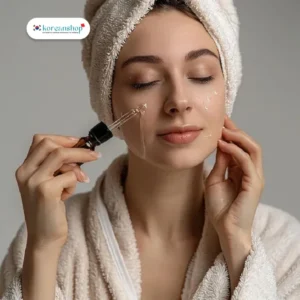
Korean skincare has gained worldwide acclaim, and among its standout products are serums. These lightweight yet potent solutions deliver targeted treatments for various skin concerns. But what makes Korean serums unique, and why are they essential for achieving healthy, radiant skin? Let’s dive into their benefits of Korean serums, uses, and what sets them apart. What Are Korean Serums? Korean serums are concentrated skincare products designed to address specific skin concerns such as dryness, aging, acne, or hyperpigmentation. Their lightweight formulas ensure quick absorption, delivering active ingredients deep into the skin. Unlike heavier creams, serums focus on providing targeted care, making them a staple in multi-step Korean skincare routines. What Makes Korean Serums Unique? 1. Innovative Formulations Korean skincare brands continuously push the boundaries of innovation, incorporating cutting-edge ingredients like: Snail mucin: Known for its healing and hydrating properties. Ginseng: A traditional ingredient to improve elasticity and revitalize skin. Hyaluronic acid: Delivers intense hydration for plump, dewy skin. These ingredients are often combined with advanced technology to enhance absorption and efficacy. 2. Multi-Functionality Korean serums are designed to address multiple skin concerns simultaneously. For example, a serum with niacinamide can brighten skin while reducing acne, offering versatile benefits in one product. 3. Focus on Prevention and Care Unlike Western skincare, which often targets existing skin issues, Korean serums emphasize prevention. They nourish the skin to maintain its health and youthful appearance. 4. Customizable Options With a vast range of serums catering to different skin types and concerns, Korean skincare allows users to customize their routines based on individual needs. Benefits of Korean Serums 1. Intense Hydration Korean serums are often formulated with humectants like hyaluronic acid and beta-glucan, which lock in moisture, leaving skin hydrated and glowing. 2. Brightening Ingredients like vitamin C, arbutin, and licorice root extract work to fade dark spots and even out skin tone, enhancing radiance. 3. Anti-Aging Peptides, adenosine, and collagen in Korean serums target fine lines and wrinkles, promoting a youthful, firmer complexion. 4. Acne and Redness Reduction For acne-prone skin, serums with tea tree oil or centella asiatica help calm inflammation and reduce breakouts. 5. Improved Skin Texture Regular use of Korean serums refines skin texture, making it smoother and softer. How to Use Korean Serums Cleanse: Start with a clean face to maximize absorption. Tone: Apply a toner to balance your skin’s pH. Apply Serum: Take a small amount of serum and gently pat it onto your skin, focusing on problem areas. Seal with Moisturizer: Lock in the serum with a suitable moisturizer. Use serums both in the morning and at night for optimal results. Popular Korean Serums to Try 1 .COSRX Advanced Snail 96 Mucin Power Essence Known for deep hydration and skin repair. 2. Missha Time Revolution Night Repair Ampoule Targets wrinkles and uneven skin tone. 3. Klairs Freshly Juiced Vitamin Drop A gentle yet powerful brightening serum. 4. Innisfree Green Tea Seed Serum Hydrates and revitalizes dull skin. Why Add Korean Serums to Your Routine? Korean serums are a powerhouse in skincare, offering visible results while being gentle on the skin. They combine natural ingredients with advanced formulations, ensuring safety and effectiveness for all skin types. Whether you’re aiming for hydrated, bright, or youthful skin, a Korean serum can make a transformative difference. For a wide selection of quality Korean skincare products, visit KoreanShop.ca. Start your journey toward healthier, glowing skin by choosing the right Korean serum for your needs!
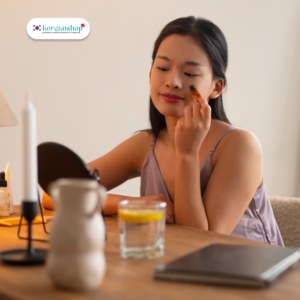
Introduction to the Korean Skincare Routine Achieving healthy and radiant skin starts with the right skincare routine. Korean skincare offers a transformative approach focused on hydration, nourishment, and consistency. At koreanshop.ca, you can find premium products to build the perfect routine. Step 1: Double Cleansing in Your Korean Skincare Routine Double cleansing is essential to remove makeup, dirt, and impurities. Start with an oil-based cleanser to break down stubborn residues. Follow up with a water-based cleanser to wash away sweat and grime. Get the best cleansers at koreanshop.ca for clean, fresh skin. Step 2: Gentle Exfoliation for Smooth Skin Exfoliate 1–2 times weekly to remove dead skin cells. Use a chemical exfoliant with AHAs or BHAs for gentle care. Avoid over-exfoliating to maintain the skin’s natural barrier. Step 3: Hydrate with Toner Toners prep your skin and restore hydration. Look for toners with soothing ingredients like Green Tea or Aloe Vera. Apply with a cotton pad or pat directly into your skin. Find hydrating toners at koreanshop.ca to elevate your skincare routine. Step 4: Boost Radiance with Essence Essence is a unique Korean skincare step that hydrates and improves skin texture. Choose lightweight formulas that penetrate deeply. Pat gently into your skin for maximum absorption. Shop nourishing essences at koreanshop.ca today! Step 5: Target Skin Concerns with Serums Serums and ampoules focus on specific issues like dryness or dark spots. Use Hyaluronic Acid for hydration or Niacinamide for brightening. Apply a few drops and massage gently. Explore high-performance serums at koreanshop.ca. Step 6: Pamper Yourself with Sheet Masks Sheet masks offer a concentrated dose of nutrients and hydration. Use 2–3 times weekly for glowing skin. Pick masks with Snail Mucin or Collagen for added benefits. Get premium sheet masks at koreanshop.ca. Step 7: Care for the Eye Area The delicate eye area requires a specialized product. Choose eye creams with peptides or caffeine to reduce puffiness and fine lines. Apply with a light tapping motion. Step 8: Lock in Moisture Moisturizers seal in hydration and keep your skin soft. Use gel-based formulas for oily skin or cream-based for dry skin. Apply evenly to your face and neck. Step 9: Protect with Sunscreen Sunscreen is vital for maintaining healthy skin. Apply a broad-spectrum SPF 30 or higher every morning. Reapply throughout the day for continuous protection. Conclusion A consistent Korean skincare routine can transform your skin. With high-quality products from koreanshop.ca, you’ll achieve the radiant, healthy complexion you’ve always wanted. Start your skincare journey today. Visit koreanshop.ca and shop authentic Korean beauty products! Or explore our full Korean skincare collection for cleansers, serums, and moisturizers handpicked for all skin types.

Achieving a radiant, hydrated, and protected complexion often comes down to mastering your skincare routine. Combining a moisturizer with the Round Lab Birch Juice Sunscreen can elevate your skincare regimen to new heights. This article explores how to use these products effectively for optimal results. Why Use Moisturizer with Round Lab Birch Juice Sunscreen? Moisturizer locks in hydration, while sunscreen protects against harmful UV rays. Pairing them ensures that your skin stays nourished and safeguarded throughout the day. This is a perfect choice, thanks to its lightweight, non-greasy texture and deeply hydrating properties. Benefits of Round Lab Birch Juice Sunscreen 1. Hydration and Nourishment Formulated with birch juice, this sunscreen delivers superior hydration, making it ideal for sensitive or dry skin. 2. Lightweight Formula It absorbs quickly, leaving no white cast, making it perfect for layering with other products. 3. Broad-Spectrum Protection With SPF 50+, it shields your skin from both UVA and UVB rays, reducing the risk of sun damage and premature aging. Step-by-Step Guide to Using Moisturizer with Round Lab Birch Juice Sunscreen 1. Start with a Clean Slate Begin your routine by cleansing your face to remove dirt, oil, and impurities. This step ensures that your skin is ready to absorb skincare products effectively. 2. Apply Your Moisturizer Choose a moisturizer suited to your skin type. For dry skin, opt for a richer formula. If you have oily skin, a gel-based moisturizer works best. Massage it into your skin using gentle upward motions. Allow a few minutes for it to absorb fully. 3. Follow with Round Lab Birch Juice Sunscreen Take an ample amount of Round Lab Birch Juice Sunscreen and apply it evenly across your face and neck. Ensure thorough coverage, including areas like the ears and hairline. 4. Let the Products Settle Before applying makeup or stepping out, give your skin time to absorb both the moisturizer and sunscreen. This ensures better adherence and effectiveness. Common Mistakes to Avoid 1. Skipping Sunscreen Indoors Even indoors, UV rays can penetrate through windows. Make sunscreen a daily habit, regardless of your plans. 2. Using Too Little Sunscreen A pea-sized amount is not enough. For full protection, use at least a nickel-sized amount for your face and neck. 3. Applying Sunscreen Last Minute Apply sunscreen 15-20 minutes before heading out to allow proper absorption. Where to Buy Round Lab Birch Juice Sunscreen in Canada If you’re wondering where to buy Round Lab Birch Juice Sunscreen, look no further than trusted online retailers. A reliable option is Korean Shop Canada, offering authentic Korean skincare products delivered right to your doorstep. Why Shop at Korean Shop Canada? 1. Authentic Products You can trust Korean Shop Canada for genuine skincare solutions, including the sought-after Round Lab Birch Juice Sunscreen. 2. Convenient Delivery Shopping online saves time, and Korean Shop Canada ensures a seamless shopping experience with quick delivery. 3. Extensive Product Range Explore an array of high-quality Korean beauty products tailored to various skin concerns. Pro Tips for Maximizing Results Layering Order Matters Always apply your moisturizer first, followed by sunscreen. This layering technique ensures hydration and optimal sun protection. Reapply as Needed For continued protection, reapply sunscreen every two hours, especially during prolonged outdoor exposure. Combine with a Gentle Routine Pair your sunscreen and moisturizer with a gentle cleanser and nourishing night cream to maintain balanced skin. Conclusion Integrating a moisturizer with the Round Lab Birch Juice Sunscreen can transform your skincare routine, providing hydration and sun protection in one. This winning combination helps you achieve a healthy, glowing complexion while safeguarding your skin from daily environmental stressors. For high-quality products, visit Korean Shop Canada.